
The Living Legacy Of The Samarth Sampradaya: Tradition In Practice Today
Samarth Sampradaya, a tradition established by the saintly sage Samarth Ramdas, is not a thing of the past – it is a living, breathing tradition that up to this day inspires spiritual discipline, social responsibility, and national consciousness. This sampradaya is based on the teachings of Dasbodh, and this is a rare combination of devotion (bhakti), strength (shakti), and wisdom (gyan), which is highly applicable in the contemporary world.
Foundations of the Sampradaya: Strength in Spirituality
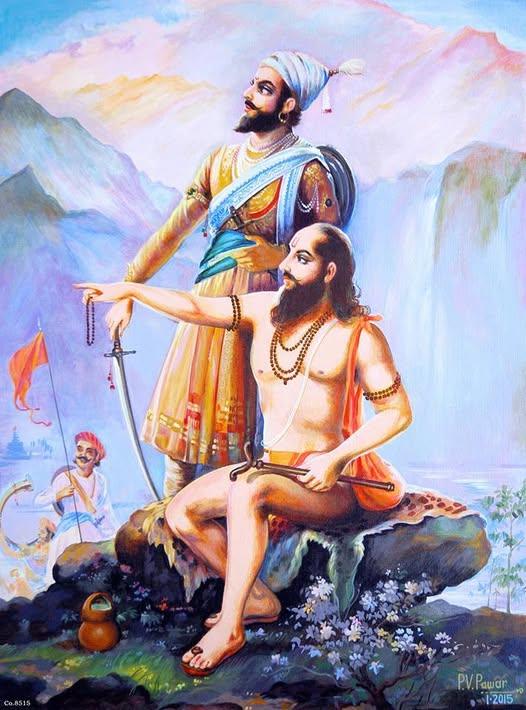
The Samarth Sampradaya was constructed on the notion of spirituality not being passive. Ramdas placed great importance on active spirituality, as serving God is accompanied by physical power, mental clarity, and social responsibility. This was a philosophy that not only influenced individuals but also communities in order to live disciplined and purpose-driven lives. The followers still follow these ideals today by practicing prayer, self-control, and service on a daily basis.
Maths, Living Institutions, and Temples
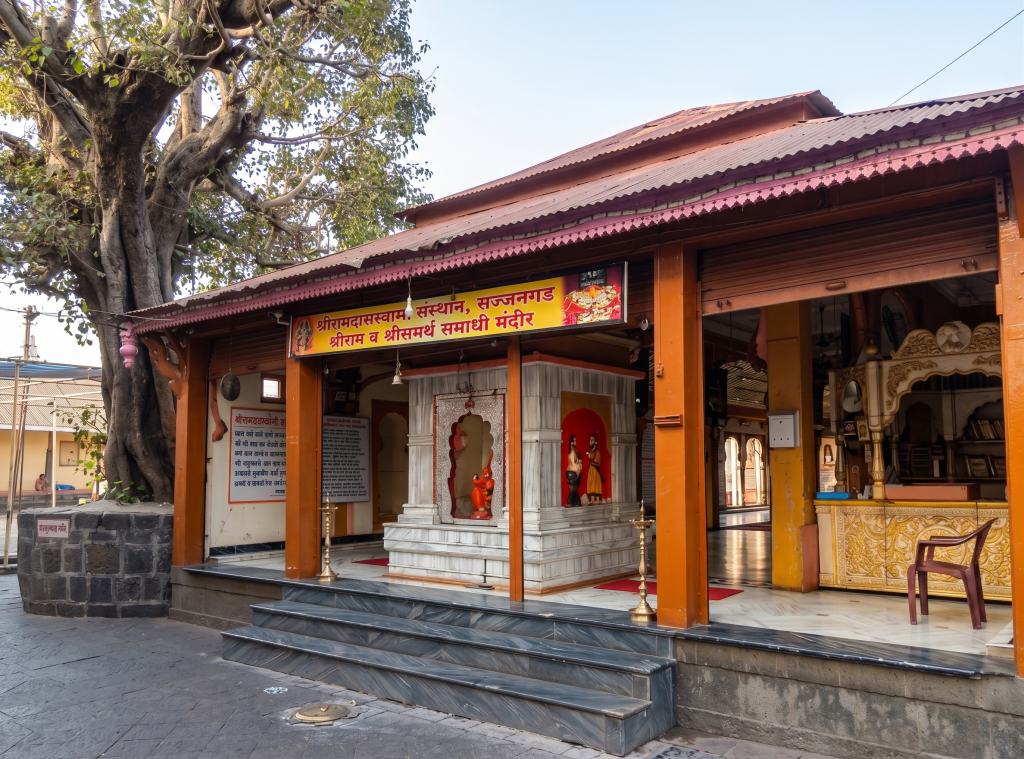
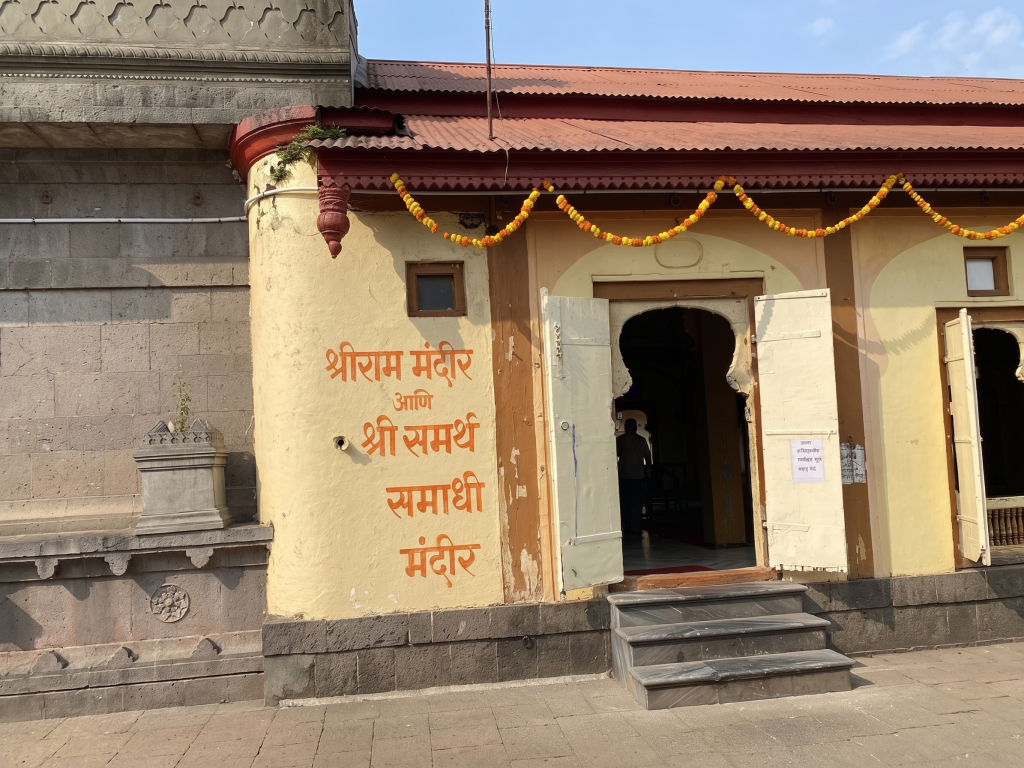
The legacy of Ramdas is quite reflected in many temples and maths (monastic centers) around India. For instance, sites such as Sajjangad in Maharashtra, which witnessed the last days of Ramdas, still inspire followers. People love to visit such places in search of spiritual guidance and blessings.
Dasbodh in Daily Life: A Practical Guide
In contrast to most philosophical works, which are limited to a theoretical plane, Dasbodh is, in fact, practiced by followers. Its lessons on self-discipline, leadership, moral behavior, and non-attachment are incorporated into daily life. Be it in dealing with personal matters, professional issues, or service to society, all members of the Samarth Sampradaya refer to its wisdom as a practical guide that helps them live with meaning and integrity.
Moral and Physical Discipline: The Dual Path
One of the aspects that characterizes the sampradaya is the importance of physical and moral strength. Ramdas advocated the importance of a healthy body as the foundation for a strong mind and spirit. The practice is carried on in physical exercises such as training, yoga, and community exercises, which are usually accompanied by spiritual discourses. The point is obvious – without power and stamina, real devotion cannot be fulfilled.
Social Service and Nation-Building
The Samarth Sampradaya has been continuously associated with the concept of social upliftment and nation-building, and this concept profoundly touched the mind of ChhatrapatiShivajiMaharaj. This legacy is present today in the form of different charitable works, education programs, food programs, disaster relief, and rural development programs. The followers are motivated to perceive service to society as a continuation of their spiritual practice.
Relevance in the Modern World
The lessons of the Samarth Sampradaya can be a potent guide in an age of stress, fragmentation, and directionlessness. Its emphasis on self-discipline is a response to the distractions of the contemporary; its focus on service to social inequities, and its combination of spirituality and action are appealing to those who want meaningful lives more than material achievements.
Conclusion
The Samarth Sampradaya is a monument to the eternal strength of integrated life- where piety, discipline, and duty meet. It is not limited to scriptures or history; it flourishes in the lives of its followers, in the chants reverberating in temples, and in the silent service performed throughout communities. It is not a spiritual heritage; it is a movement of awakened life – still continuing to form people who are not merely spiritually-oriented, but also, socially-focused and strong. Today, in its practice and being, the Samarth Sampradaya is as pertinent and as ever-a power-giver to those who need strength, a purpose-giver to those who need action.
You may also like to read:
- Swami Samarth Ramdas – A Brief Introduction
- Samarth Ramdas, His Guru And Ramdasi Parampara
- Books Authored By Samarth Ramdas: What Do They Contain?
- Spiritual Blueprint Of Swarajya: The Influence Of Dasbodh In The Rule Of Shivaji