
Did Kerala’s Policies Kill Its Black Pepper Industry?
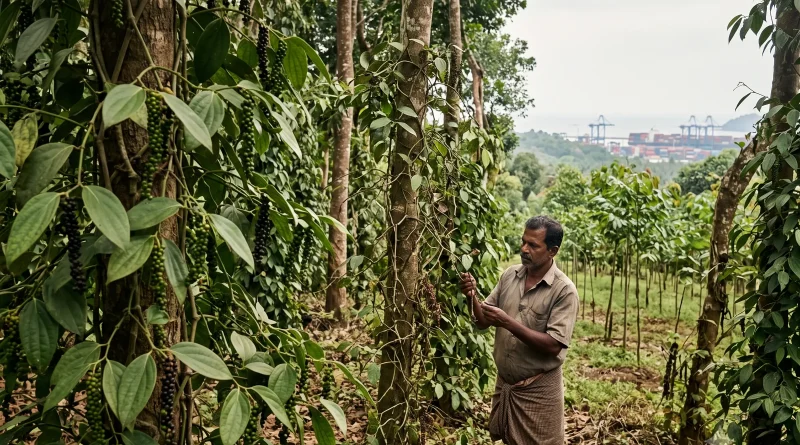
For many years, black pepper production has influenced the economy and culture of Kerala. Kerala’s exceptional pepper made the area famous across the globe and drove the spice trade, allowing farmers to take advantage of India’s exports and welcome buyers from all over. However, in recent years, the industry has endured a sharp decline, leading many to reconsider how different legislation, changes in the market and environmental concerns might affect it. Black pepper production in Kerala was weakened not only due to competition from others, climate change, and poor yield but mainly because of mistakes and shortcomings in its government. Let’s take a good look at them.
Role of Global Market Trends
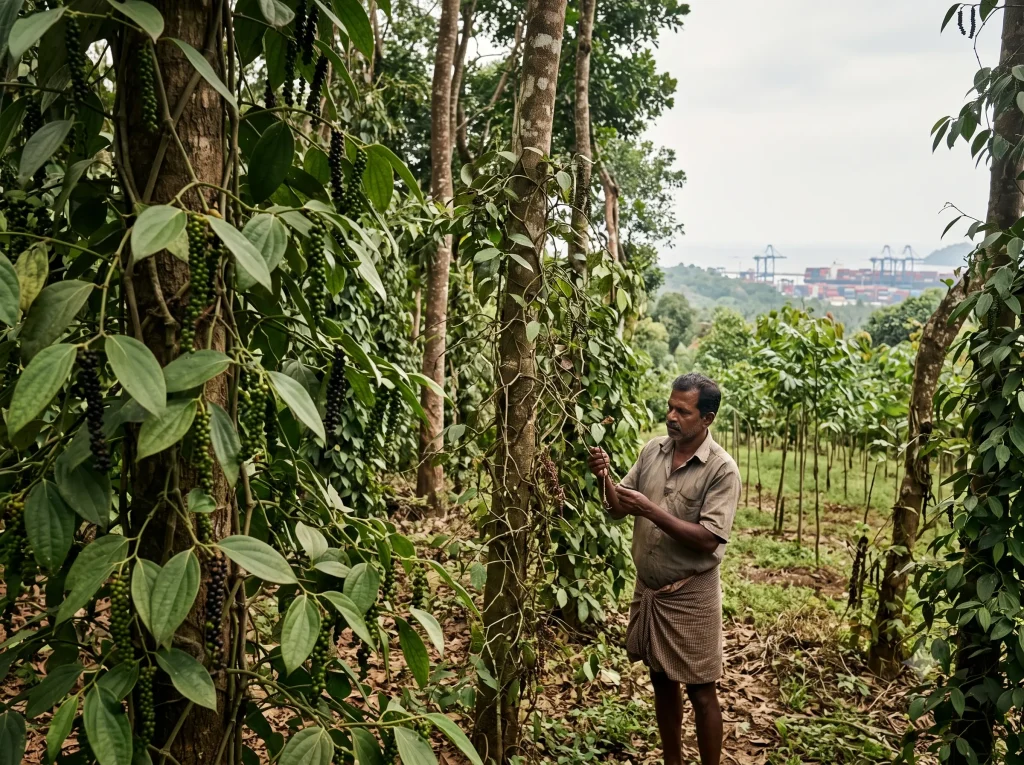
The pepper industry in Kerala has declined due to a combination of its own problems and the increased impact of Vietnam in the world spice market. The world market is turning toward sustainably grown spices, while Kerala is finding it difficult to compete in this area. By boosting its production and providing pepper at low prices, Vietnam has succeeded in pulling customers who used to favor Kerala’s offerings. Therefore, the pepper industry in the state is facing new challenges and must adapt and bring in new ideas to regain its stronghold in the international market while managing complex international trade situations.
Impact of Alternative Spice Markets
Increased competition from states such as Vietnam and Brazil has lowered Kerala’s share of the market. Improved farming methods have allowed these countries to supply pepper to the market inexpensively, pushing the prices down and making it hard for Kerala farmers to remain competitive. Low investment in modern farming and stringent local agricultural policies has also caused a decline in both production quality and quantity.
Shift in Agricultural Priorities
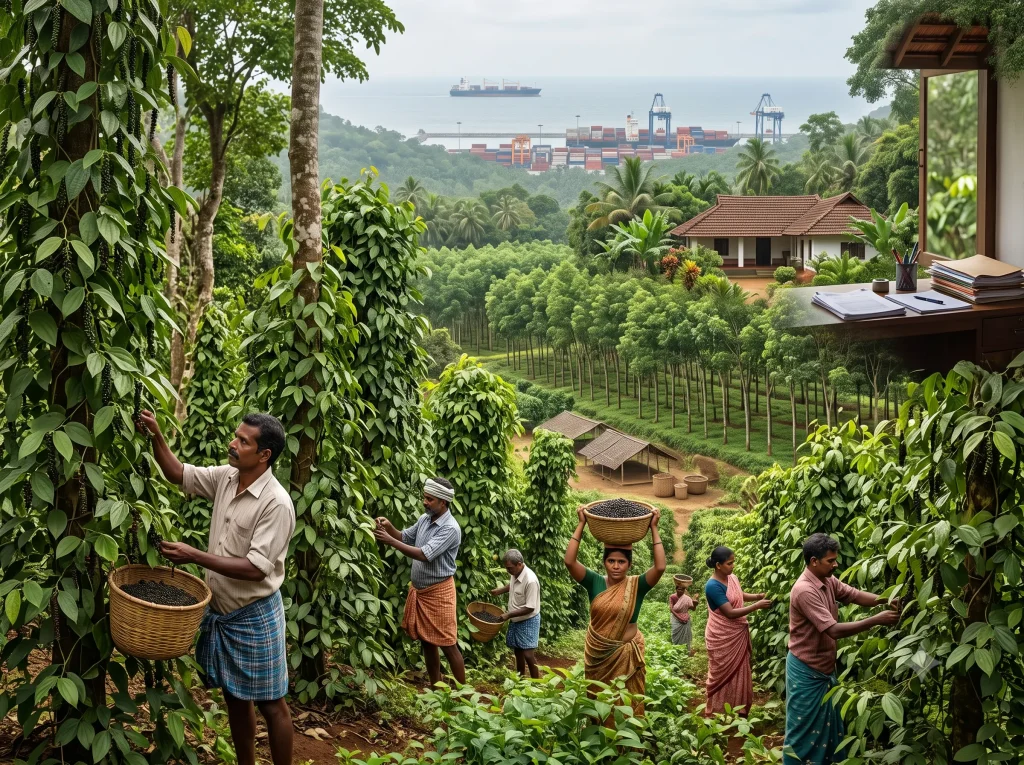
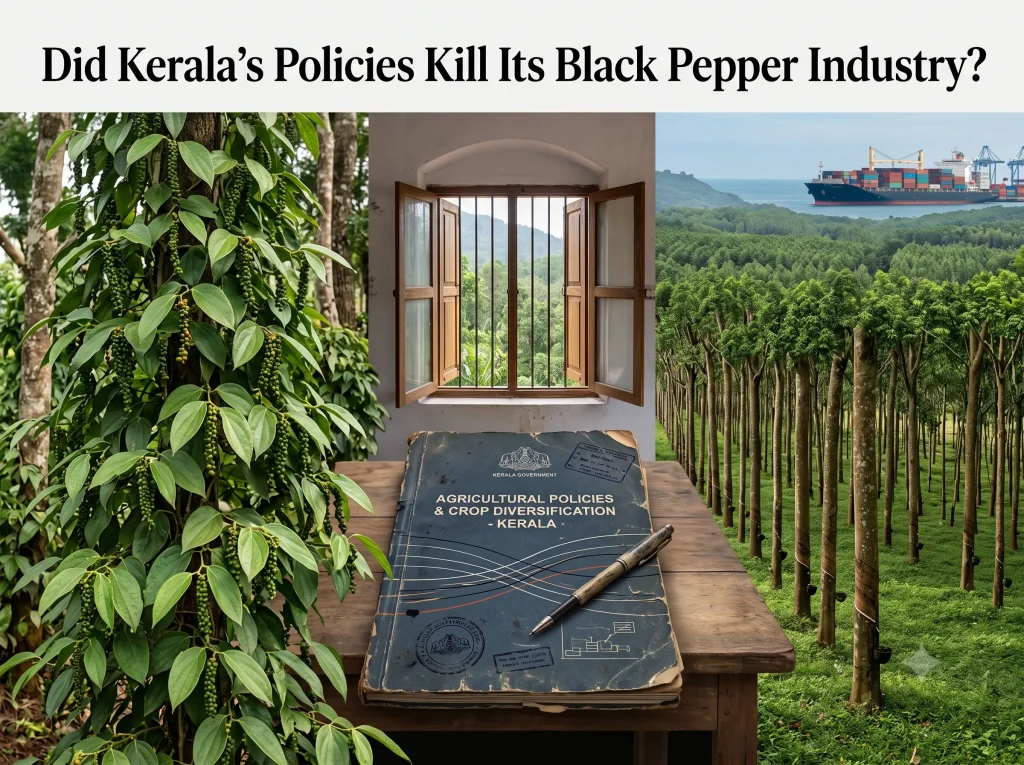
With the onset of the 21st century, the Kerala government prioritized rubber, cardamom, and coffee over black pepper due to higher profitability and better market prices. Many farmers replaced pepper vines with rubber plantations, which provided more stable incomes. Instead of actively promoting pepper as a key export crop, Kerala did not offer significant incentives or expansion plans for pepper cultivation.
Change in Consumer Preferences
Since pepper farming was less profitable, many farmers in Kerala stopped doing it and turned to other more rewarding crops. As a result, the region lost both its economic benefits and status as a spice center. The shift in people’s preferences for spices from other regions, with new flavors and health advantages, has also hurt Kerala’s pepper industry.
Impact of Climate Change on Pepper Cultivation
Due to rising temperatures and unstable weather, the suitable environment for growing peppers is getting altered. Among the difficulties farmers encounter are issues with declining soil fertility, increasing incidences of pests, and more diseases showing up in bad weather. As a result, farmers experienced smaller yields and lower quality crops which made it tougher for their families to rely on farming for a living.
Failure to Modernise Pepper Farming
Pepper production in Kerala was mainly done using traditional methods and older styles of farming. While Vietnam introduced new pepper varieties equipped to resist diseases, Kerala did not encourage scientific farming approaches. The government did not provide sufficient funding for research and outreach operations to assist farmers in improving their outcomes.
Economic Challenges and Market Competition
Rising labor, fertilizer, and pest control costs faced by farmers in the region have reduced their profits. Furthermore, cheap peppers from abroad as a result of lower costs in growing areas have resulted in a market overflow, making it hard for local producers to compete. As prices of global pepper and the taste of consumers keep shifting, the demand for locally grown pepper has dropped
Weak Disease Management Efforts
Due to Phytophthora foot rot, quick wilt disease broke out in Kerala’s pepper fields, causing yields to fall. Communities suffered extensive losses as the government did not react quickly or effectively to the spread of disease. Replacing diseased plants with new, healthy varieties was not affordable for most farmers. If proper measures are not taken, pests and diseases lead to reduced peppers and make their quality lower. Consequently, the region finds it tough to stand out in the global market, where the requirements for quality are rising.
Lack of Infra and Value-Added Processing
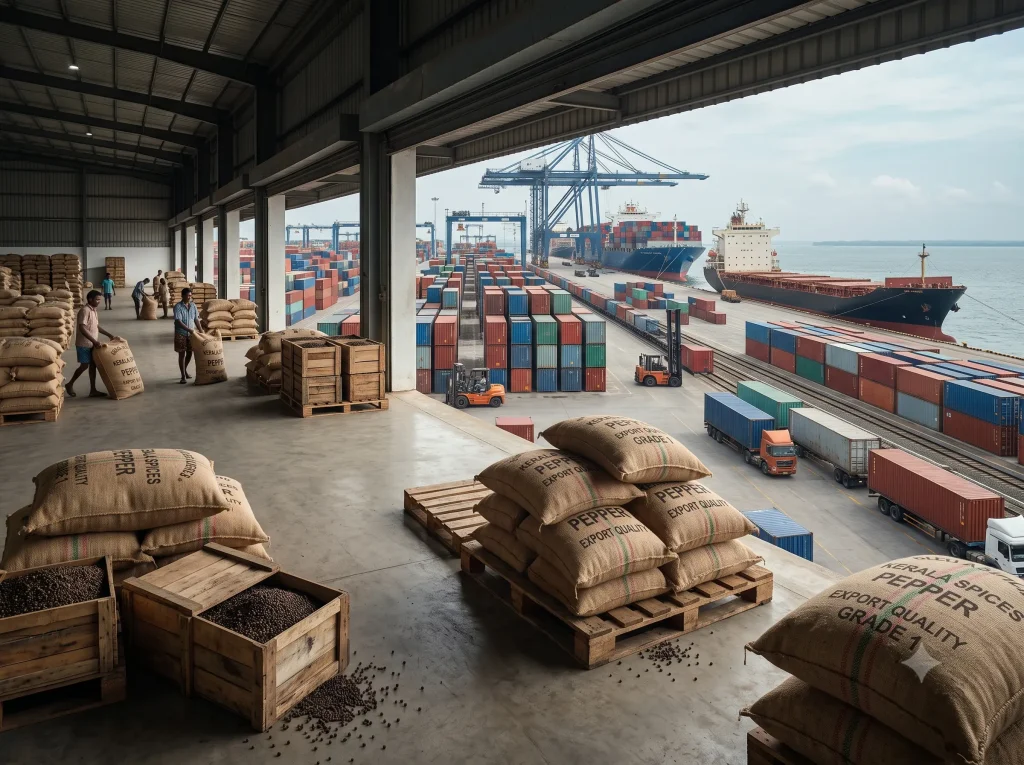
Unlike other top spice exporters such as Vietnam, Kerala did not have efficient spice processing methods or dedicated efforts to promote its spices for export. While Vietnam added value to its pepper and increased exports, Kerala shipped only raw pepper which made it less competitive in the global market.
Strategies for Adaptation and Resilience
Farmers who use integrated pest management can lessen their use of chemicals and care for the environment while farming peppers. Plant varieties can deal with various weather conditions if the climate is unpredictable. Applying organic materials and planting cover crops will make your soil healthier and better at holding moisture when it’s not raining as much. Moreover, when farmers come together, they can learn from one another, enhance their abilities, and face both commercial and environmental problems as a unit.
Conclusion
Kerala was once the leading producer of black pepper, yet government actions did not support or improve the industry’s future. Terms like no incentives in farming, no adoption of new high-yield crops, high costs to hire labor, and poor trade rules led to the fall of this spice’s thriving trade. The pepper industry can overcome its decline by research, processing products with more value, and modernizing how goods are distributed to match the new market.