

Colonial Era Trees Dominate Indian Roads And Parks – 75+ Years After Independence
In order to maintain their power over India, the British Colonialists projected themselves as superior and Indians as inferior. They focused on many areas to drive home this point. One of them was Ornamental plants and landscape in public places. They also wanted to put their European or Colonial standard plants and Trees wherever possible at Indian tax payers expense.
They chose plants that looked good from abroad while eliminating good ones from India. It reinforced the mindset that good things only come from abroad and there is nothing good in India – India means just substandard.

Ancient India trees – primary goal was to support medicinal and health promoting trees
In ancient India public spaces plants/trees in India prioritized medicinal use, so the material was available to treat people abundantly. The British colonialists by removing and discouraging the medicinal use trees/plants from public places which they controlled as rulers. They made the medical treatment via Ayurveda more remote and less accessible publicly. This is continuation of strategy of Macaulay who had already removed all public support for native education from 1835 itself.
75+ year after Independence – Harmful Colonial Trees Planted with tax payers money
Even today, the public spaces in India including avenues and public gardens are full of colonial era – plants and trees with miniscule support for traditional plants and trees. India has a strong tradition of aromatic plants – even those don’t find space in the avenues and public gardens.
There is neither any effort nor any sustained initiative to bring back the native plants, trees and landscape. Mechanically, the various experts connected with this area keep continuing the colonial era standards, protocols and list of plants, trees as well as landscape formats.
Why Colonial Trees are poor choices, and Indian trees give many benefits
Firstly, we have identified the most common colonial era trees – most Indians don’t know they are not native to India. Add to that the fact that many are not good trees for various reasons, including no relief from heat, less oxygen output, preventing other good trees from growing, creating allergies/respiratory problems, and providing weak or no support for pollinators and birds. These colonial trees don’t have a strong tap root system – a deep tap root tree enables rain water to seep deep into the soil for better rainwater harvesting and prevent water logging in the rainy season. Further, a deep tap root trees is better for heat relief in summer as such trees release moisture from deeper levels of soil in water-scarce summers.
The goal is to Identify & reduce harmful colonial trees – Replace with Useful Indian trees
We have provided the 10 most common colonial trees, followed by another 14 in the less common colonial page in the further reading section. We have also provided a ‘list of Indian trees’ and ‘why Indian trees are preferable’ in the ‘Further reading’ section.
The aim is gradual replacement in future plantings, especially in roads, parks, campuses, and heritage sites.
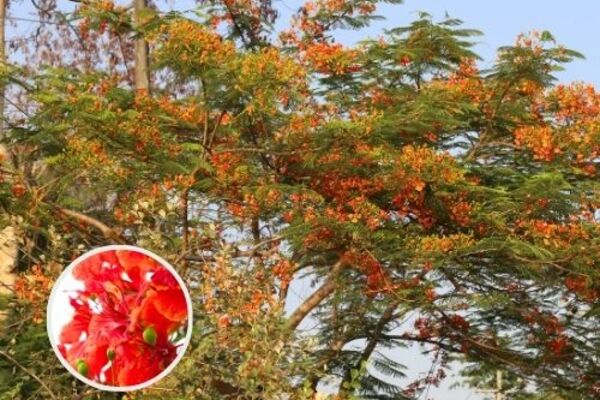
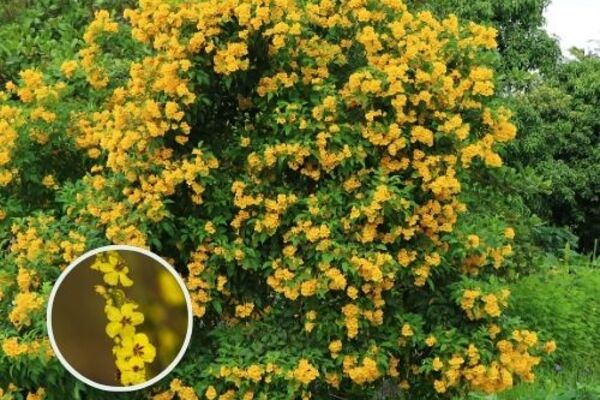
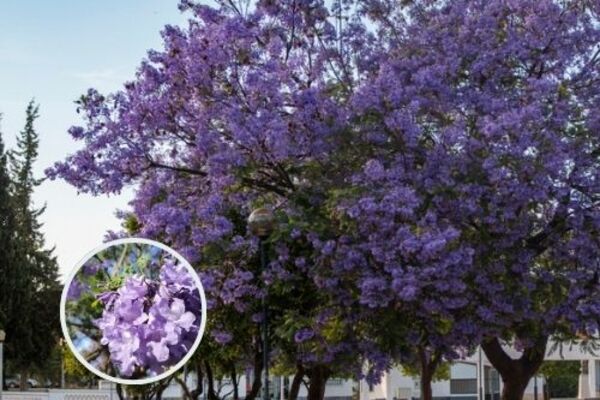
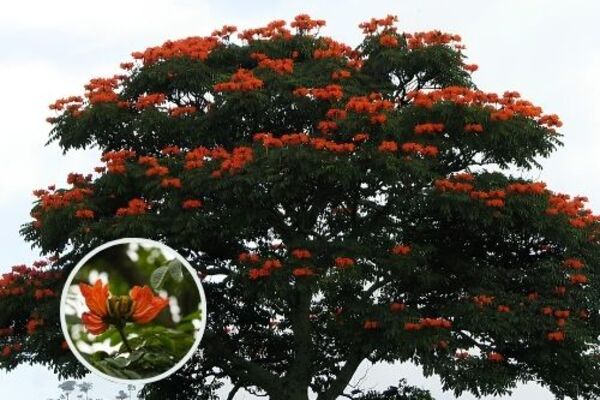
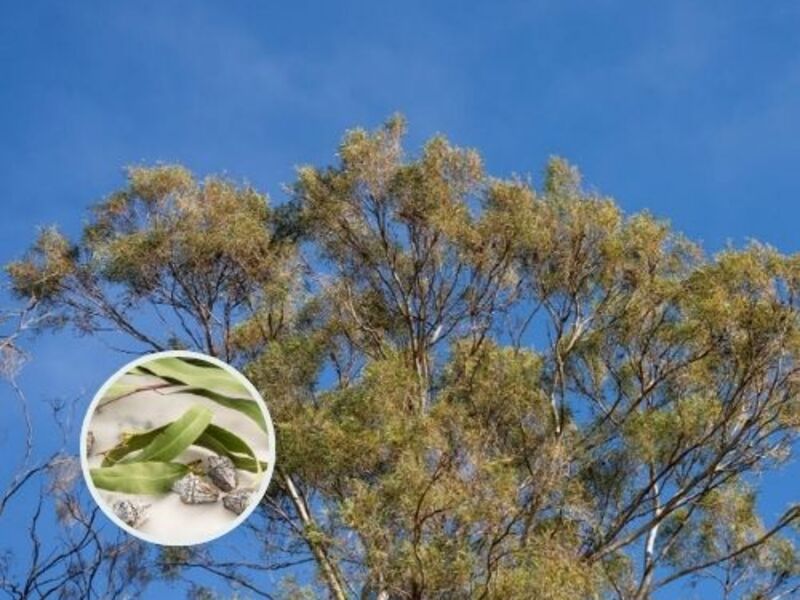
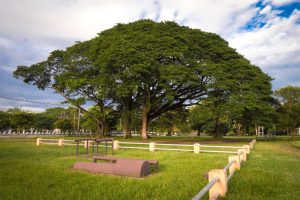
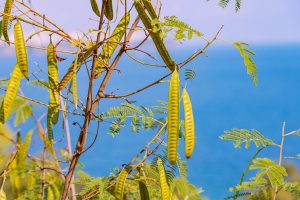
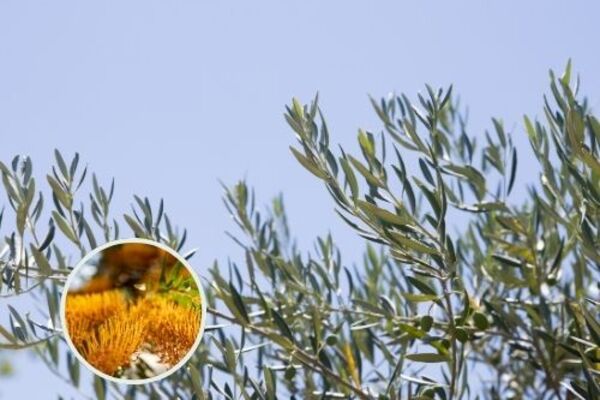
Foreign Trees Imposed By British In Colonial Era:
-
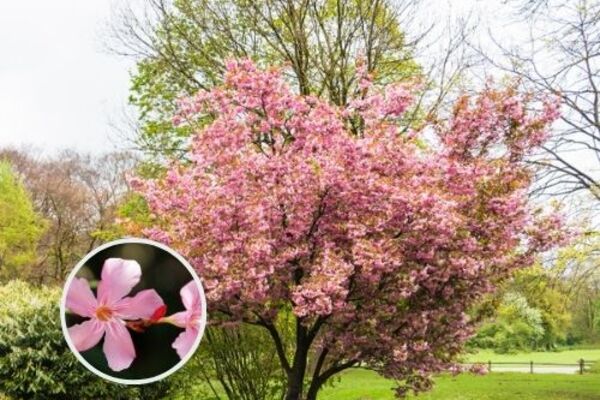
Above image details – Popular Indian Name: Pink Trumpet Tree (Tabebuia rosea). Origin: Central America. Introduced in India for ornamental urban landscaping during late colonial and post-independence periods. Known Negative Effects/Issues: Heavy flower litter, shallow roots may crack pavements, moderate maintenance issues.
Further Reading:
Why Indian Trees Prefereable? | Indian Trees For Public Places | Less Common Colonial Trees
You may also like to read:
- Reclaiming Landscape in Indian Public Spaces from British Colonialism and Macaulayism
- Why These Indian Trees Are Preferable
- Indian Trees For Public Places
- Criticizing British Colonial Rule For Introducing Foreign Plants In Public Spaces
- The Need To Decolonize Public Landscapes In India
- How Does Continuing Colonial-Era Planting Reflect Coloniality And Ignore Ancient India’s Botanical Knowledge?
- Reviving Ancient Hindu Garden Traditions In Protected Monuments
Fantastic article! Very well written
Studied in Osmania University in Hyderabad. The main road of this University has less than 1% Indian trees.
Even our colony roads are 80% foreign origin trees. Notice that birds sit on Indian trees and avoid nesting or chirping from foreign origin trees.
Really sad that these plants are still entertained out of ignorance or negligence by the official authorities.