
From King Of Spices To A Fading Giant: How India Lost To Vietnam In Pepper Trade
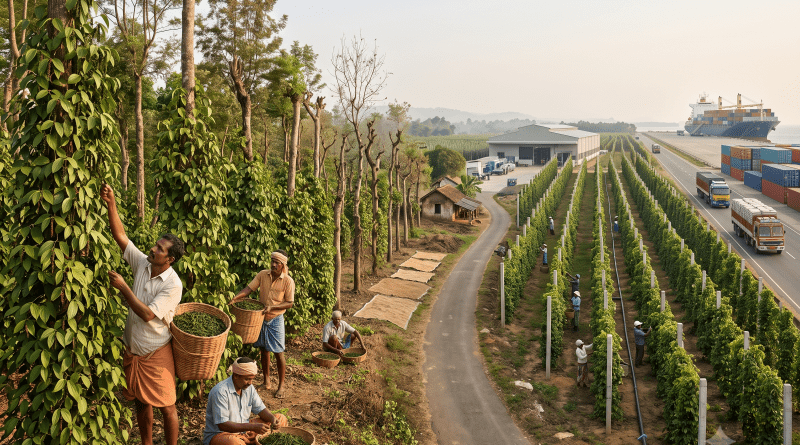
India has been the world leader in producing and exporting peppers, making the global trade of these peppers lively and competitive. Thanks to its amazing agricultural background, the country used to be a leader in the pepper industry, catching the attention of global consumers with its top-notch pepper. Even so, the country’s pepper industry has dealt with many changes and problems since the 1990s which influenced its presence on the global market. This article discusses why India lost its competitiveness in the pepper trade, examines how Vietnam achieved success, explores the obstacles faced by Indian farmers, and offers guidelines for renewing India’s prominence in the market.
Pepper Cultivation in India since the 1990s: Trends and Challenges
Peak Production in the 1990s
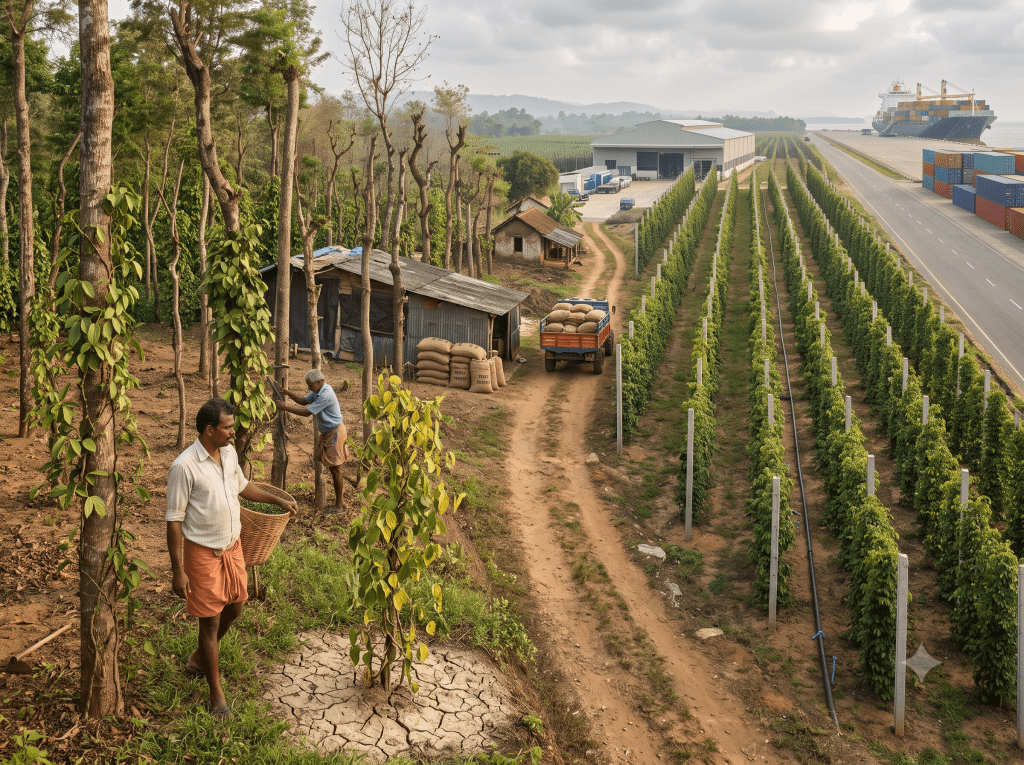
In the 1990s, India was one of the largest black pepper producers, alongside both Indonesia and Brazil. During this period, the country was producing approximately 70,000–80,000 metric tons annually. While India led the way, exporting top-quality Malabar and Tellicherry pepper to different countries, Kerala was the leader in pepper production, accounting for over 90% of the whole country’s output, followed by Karnataka and Tamil Nadu.
Decline in Global Market Share (Post 2000s)
A combination of influencing factors has resulted in India’s share of the global pepper trade dropping since the early 2000s. Vietnam’s rise as an important player has greatly shifted the area. Their efficient farming methods have allowed these countries to supply pepper at a lower price, helping them to take a major share of the worldwide market. Furthermore, inconsistent products, higher production costs and poor infrastructure weakened India’s competitiveness in the world market.
How India Lost Pepper Trade To Vietnam
- Competition from Vietnam and Other Countries
The pepper trade in India has been seriously affected by the competition from Vietnam and other nations. With improved infrastructure and financial help from the government, Vietnam adopted large-scale high-yield pepper farming. In the 2010s, Vietnam started to export less costly pepper than India, leading to a decrease in Indian pepper exports. Further supply from Brazil and Indonesia pushed the competition to an even higher level. Due to this, Indian farmers’ income dropped, leaving fewer goods to export and prompting many to find new ways to succeed and revive their once-strong influence in the world economy. - Decreasing Productivity
Indian pepper plants yield much less per hectare at 300-500 kilograms, while the Vietnamese produce much more at 2,500-3,000 kilograms per hectare. The use of dated farming techniques and the falling fertility of the soil brought about little or no gain in yields. Over time, India’s output went down due to factors such as old plantations, lack of modern investment and the effects of climate change on crops. - Climate Change and Disease Outbreaks
Lower rainfall, dry weather and warmer temperatures made agricultural production more challenging. The quick wilt disease that appeared in Kerala and Karnataka strongly impacted the pepper vines. Different rainfall patterns during monsoon seasons have made yields in farming vary throughout the years. With natural disasters and more attacks from pests and diseases due to climate change, India’s pepper industry found it challenging. Such circumstances made it challenging for Indian farmers to produce enough high-quality goods which puts them at a disadvantage. - Shift in Domestic Agriculture Priorities
Farmers found that producing rubber, coffee, and cardamom brought higher profits than growing pepper. As labor became hard to find and prices rose for inputs, large-scale pepper farming was no longer attractive for many. As the government concentrated on food security and basic staples, support for high-value spices like pepper was reduced. With India falling behind, countries like Vietnam used this opportunity to invest in their farms and buy new equipment, boosting their ability to produce more.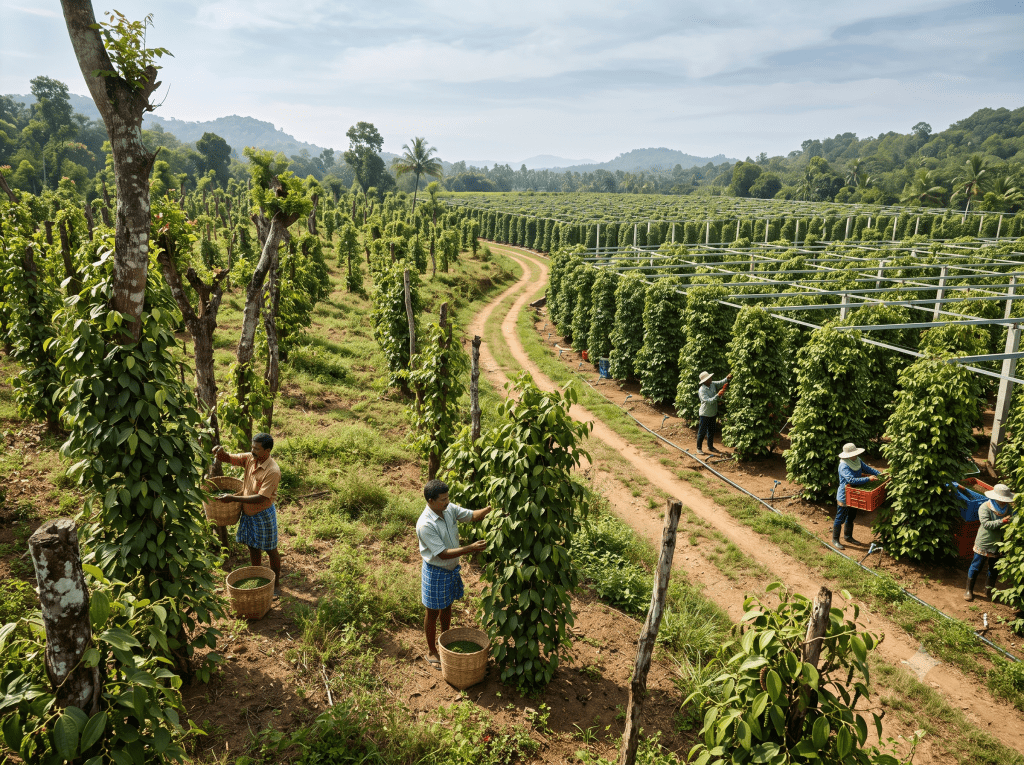
- Inadequate Infrastructure and Supply Chain Issues
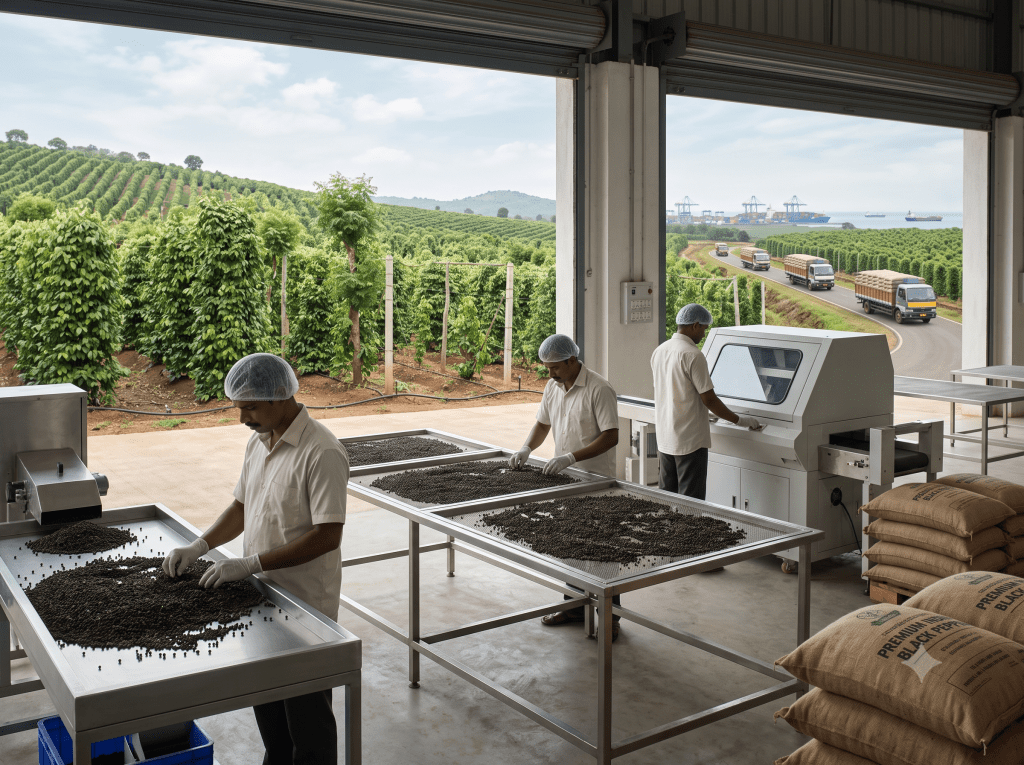
The demand from India’s agricultural sector outpaced the existing roads and ports during the first decade of 2000, resulting in delays for farm products being transported to the markets. There were also major losses of pepper after harvest due to the poor storage facilities, leading to lower amounts and quality for the market. - Market Saturation and Price Competition
The rise in demand for pepper from various parts of the globe caused too many countries to plant peppers, resulting in supply outgrowing demand. Due to high competition, Indian producers are compelled to charge lower prices to remain competitive in the market. Moreover, having less expensive alternatives from various pepper-producing countries has increased the difficulties for Indian exporters to sell their goods abroad. - Government Policies and Their Impact
The regulating policies of the Indian Government for pepper production and exports ended up making Indian pepper less competitive in the global market. For example, strict rules for farming and higher taxes on exports make it tougher for farmers to earn what they need to stay in business. The shortage of financial assistance for research and development in pepper farming is making it difficult for farmers to keep up with industry changes. - Access to Credit and Financial Resources
Securing financial support has become more challenging for farmers and traders in the pepper trade, who wish to maintain their operations, improve production, and succeed globally. A lack of financial assistance has prevented them from adjusting to shifts in the markets, dealing with cost increases, and using modern farming technology and techniques needed to maintain quality and increase production.
Current Status of Pepper Cultivation in India (2020s)
India now produces around 50,000 to 65,000 metric tons annually, far less than it did in the 1990s. Because domestic consumption has grown, India now imports pepper mainly from Vietnam, Sri Lanka, and Indonesia to supply the local market. Factors like competition from imported goods and changes in the world market drive changes in prices. Karnataka now leads Kerala in pepper production, producing almost half of all the pepper grown in India.
India’s Revival Efforts in Pepper Trade
Noticing the fall in pepper production, India has taken several measures to increase production with the help of private companies. For instance, coffee and Areca nut farmers in Karnataka, Kerala, and Tamil Nadu have been advised to grow pepper together with their coffee and Areca nut to boost their earnings. Similarly, production areas in the Northeastern regions and the Andaman & Nicobar Islands are being set up to decrease reliance on Kerala.
Conclusion
Since the 1990s, India’s position at the top of the pepper market has weakened due to challenges such as lower production, climate-related issues, and the rise of Vietnam’s exports. Yet, thanks to new government programs, growth in new regions, and more premium organic products, there is hope for the industry’s recovery.