India is endowed with rich biodiversity in flora and many great tree options exist for roads, parks and public institutions. These trees offer a variety of benefits when grown. The advantages of Indian trees are they have good climate resilience to India’s harsh summers and various environmental conditions. They also can withstand many types of pests. They support biodiversity and also the ecosystem. These Indian trees absorb heat in summer, provide shelter from weather, many of these trees are used as Ayurvedic medicines and their parts are also useful as food, fodder or firewood.
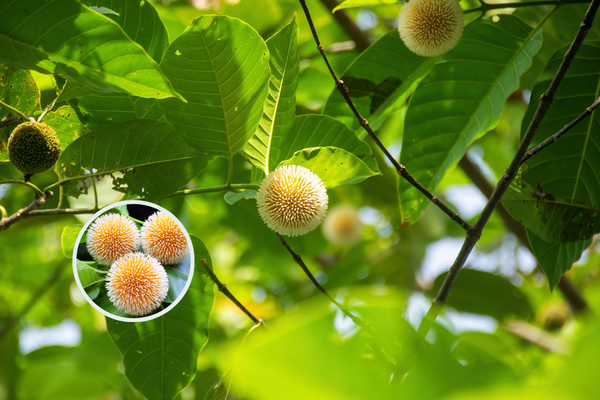
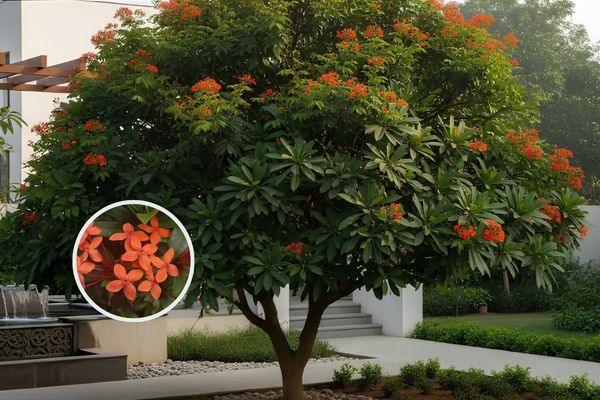
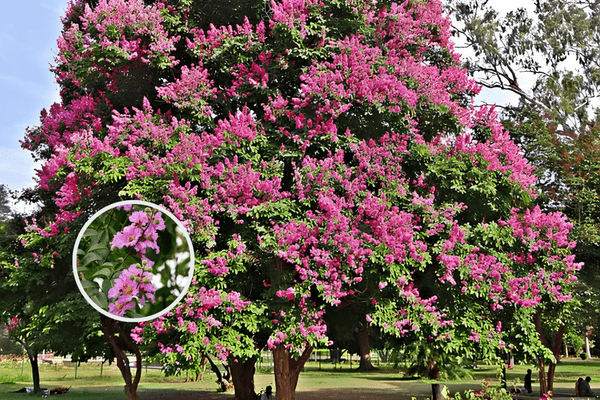
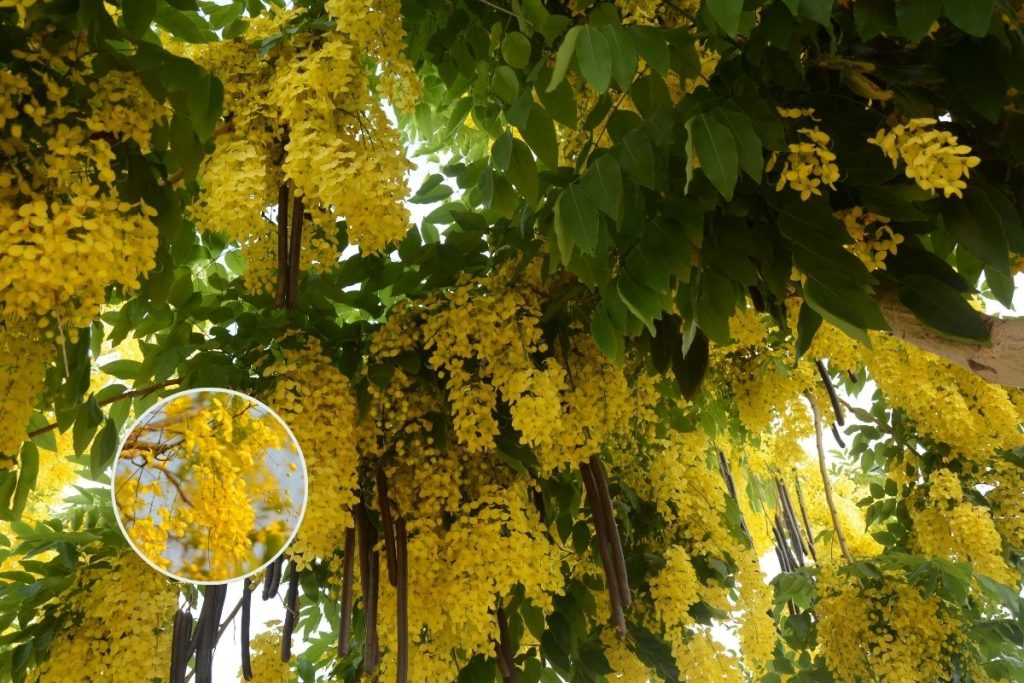
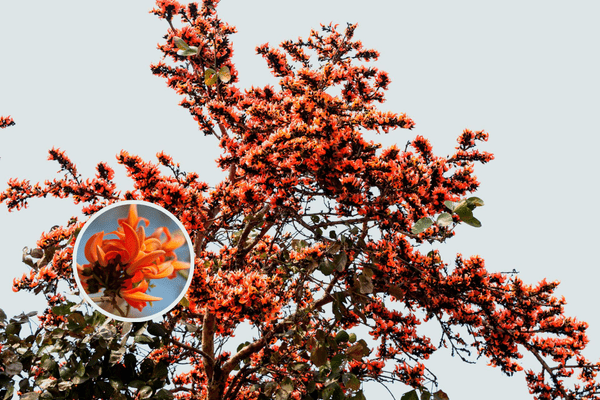
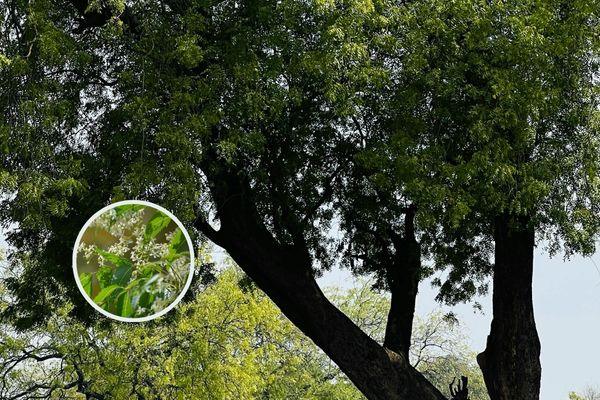
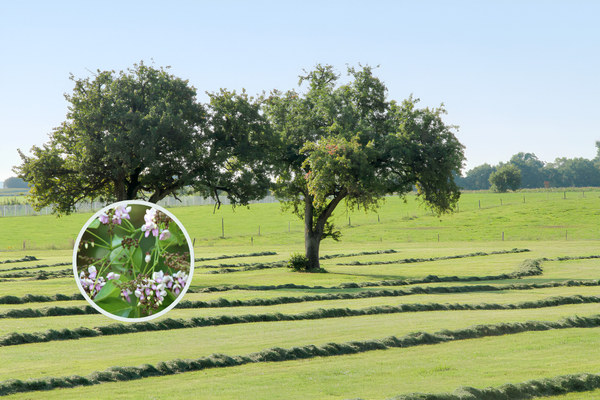
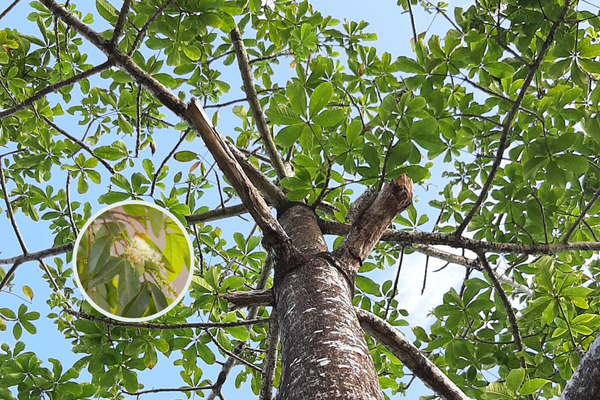
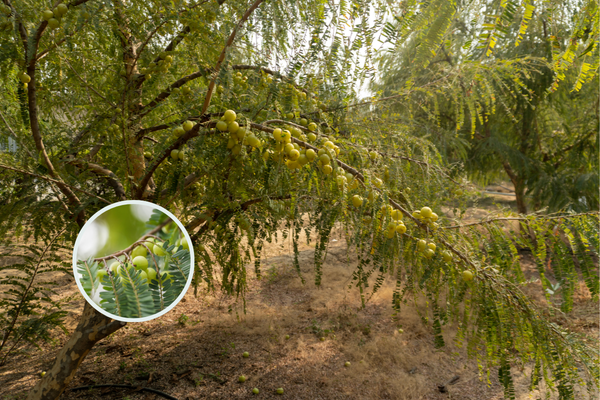
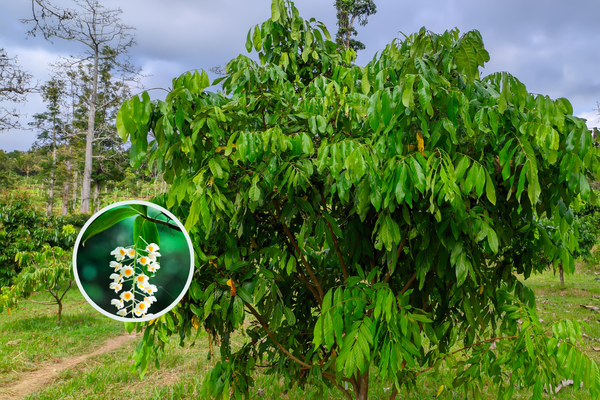
Above image details – Popular Indian Name: Kadamba (Neolamarckia cadamba). Revered in Indian culture and mythology, the Kadamba tree is known for its fast growth, dense canopy, fragrant flowers, and strong support for birds and pollinators. Key Environmental & Medicinal Benefits: Traditionally used in Ayurveda for managing fever, skin disorders, inflammation, and digestive ailments; the tree also provides excellent shade and ecological support in tropical regions.Above image details – Popular Indian Name: Ashoka (Saraca asoca). Sacred in Indian heritage and temple landscapes, the Ashoka tree is admired for its elegant foliage, fragrant orange-red flowers, and ornamental beauty. Key Environmental & Medicinal Benefits: Widely used in Ayurveda for women’s health and reproductive wellness; the tree also enhances urban greenery and supports pollinating insects. Image credits: urvann dot com BlogAbove image details – Popular Indian Name: Jarul (Lagerstroemia speciosa). Popular for its striking purple blooms, the Jarul tree is widely planted along Indian roadsides, gardens, and public landscapes for seasonal ornamental value. Key Environmental & Medicinal Benefits: Traditionally valued for supporting blood sugar management and kidney health; its dense foliage also contributes to shade and improved urban aesthetics. (Image Credits: Greenverz dotcom)Above image details – Popular Indian Name: Amaltas / Indian Laburnum (Cassia fistula). Origin: Native to the Indian subcontinent, later widely used in colonial-era ornamental avenue planting. Known Negative Effects/Issues: Heavy seasonal flower and pod litter, slippery shedding on roads and pavements, and maintenance challenges in dense urban spaces due to long seed pods and recurring cleanup requirements.Above image details – Popular Indian Name: Palash (Butea monosperma). Known as the “Flame of the Forest,” the Palash tree is celebrated for its vibrant orange flowers and deep cultural significance in Indian festivals and folklore. Key Environmental & Medicinal Benefits: Used in traditional medicine for skin disorders, digestive issues, and inflammation; the tree also supports pollinators and dryland biodiversity.Above image details – Popular Indian Name: Neem (Azadirachta indica). Widely regarded as one of India’s most valuable traditional trees, Neem is recognized for its resilience, dense shade, and extensive use in rural and urban environments. Key Environmental & Medicinal Benefits: Renowned in Ayurveda for antibacterial, antifungal, and immune-supporting properties; the tree also improves air quality and naturally repels pests.Above image details – Popular Indian Name: Banyan (Ficus benghalensis). India’s national tree, the Banyan is famous for its massive canopy, aerial roots, and long-standing association with village life and cultural gatherings. Key Environmental & Medicinal Benefits: Traditionally used for managing diabetes, inflammation, and oral health; its expansive canopy also provides major ecological support and cooling shade.Above image details – Popular Indian Name: Karanj (Pongamia pinnata). Commonly found near roadsides and water bodies, the Karanj tree is valued for its hardy nature, dense foliage, and role in sustainable landscaping. Key Environmental & Medicinal Benefits: Traditionally used for skin diseases and wound healing; the tree also improves soil quality and supports biofuel production initiatives.Above image details – Popular Indian Name: Arjuna (Terminalia arjuna). Revered in traditional Indian medicine, the Arjuna tree is recognized for its strong trunk, riverside presence, and long medicinal history. Key Environmental & Medicinal Benefits: Widely used in Ayurveda for heart health and cardiovascular support; the tree also helps stabilize soil near water bodies and enhances green cover.Above image details – Popular Indian Name: Amla (Phyllanthus emblica). Deeply rooted in Indian wellness traditions, the Amla tree is valued for its nutrient-rich fruits and importance in Ayurveda and daily nutrition. Key Environmental & Medicinal Benefits: Rich in Vitamin C and antioxidants, Amla is traditionally used for immunity, digestion, and hair health; the tree also supports biodiversity and sustainable food systems.Above image details – Popular Indian Name: Nagkesar (Mesua ferrea). Admired for its glossy foliage, fragrant white flowers, and dense wood, the Nagkesar tree holds cultural and ornamental importance in many parts of India. Key Environmental & Medicinal Benefits: Traditionally used for managing inflammation, respiratory issues, and digestive disorders; the tree also supports pollinators and contributes to evergreen landscape cover.
S.No
Superior Indian Substitute
Why the Native
Tree Is Better
1
Kadamba
(Neolamarckia cadamba)
Sacred tree
supports pollinators
culturally rooted