
Less common Colonial Era Introduced Trees in India
In the previous article, we wrote how colonial era trees dominate Indian roads and parks – 75+ years after independence. Below are less common but still extensively used colonial era Introduced trees used on roads, parks and public spaces.
After lot of struggles and sacrifices India achieved freedom. It is better as an independent country if the following trees are cut or not planted anymore in roads, parks and public places.
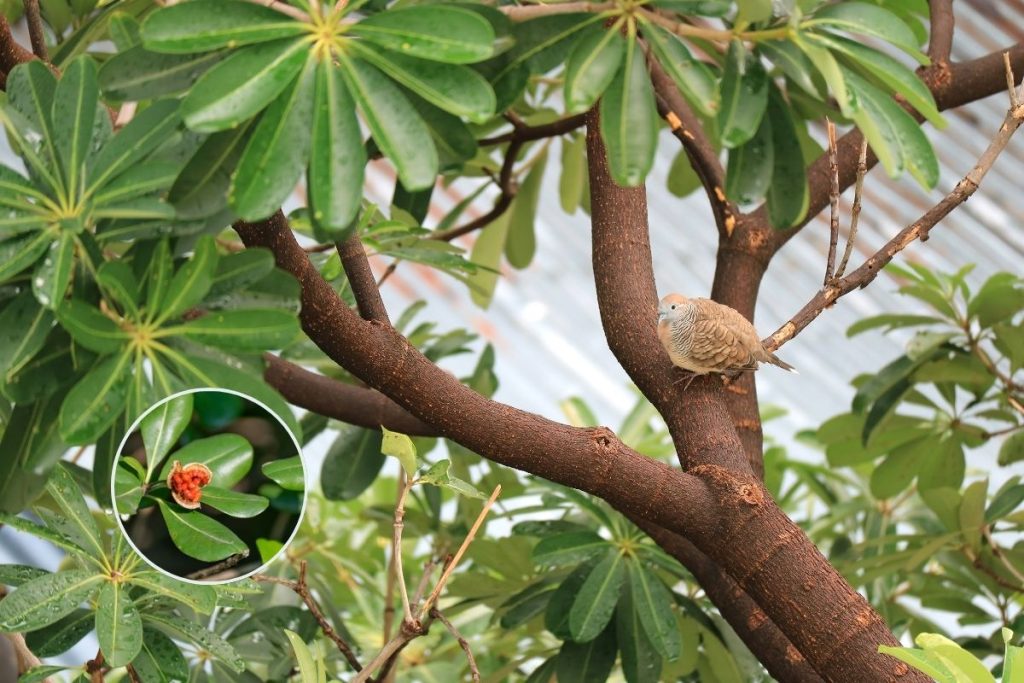
- Above image details – Popular Indian Name: African Mahogany (Khaya senegalensis). Origin: Native to tropical Africa, introduced into India during colonial-era avenue and institutional plantation landscaping. Known Negative Effects/Issues: Large surface roots may disturb pavements and drainage lines, dense shade suppresses understory growth, and heavy leaf shedding increases urban maintenance requirements.
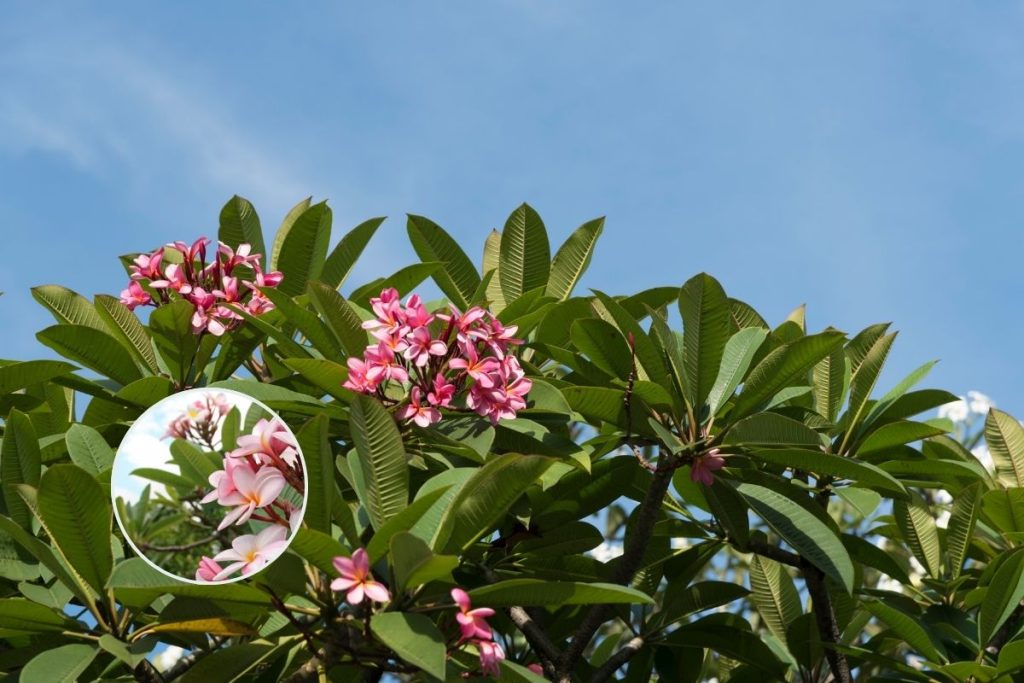
- Above image details – Popular Indian Name: Temple Flower / Frangipani (Plumeria rubra). Origin: Native to Central America, later spread widely through colonial ornamental landscaping and temple gardens across India. Known Negative Effects/Issues: Milky sap may irritate skin and eyes, branches are relatively brittle, and excessive flower drop creates seasonal litter around pathways and parking areas.
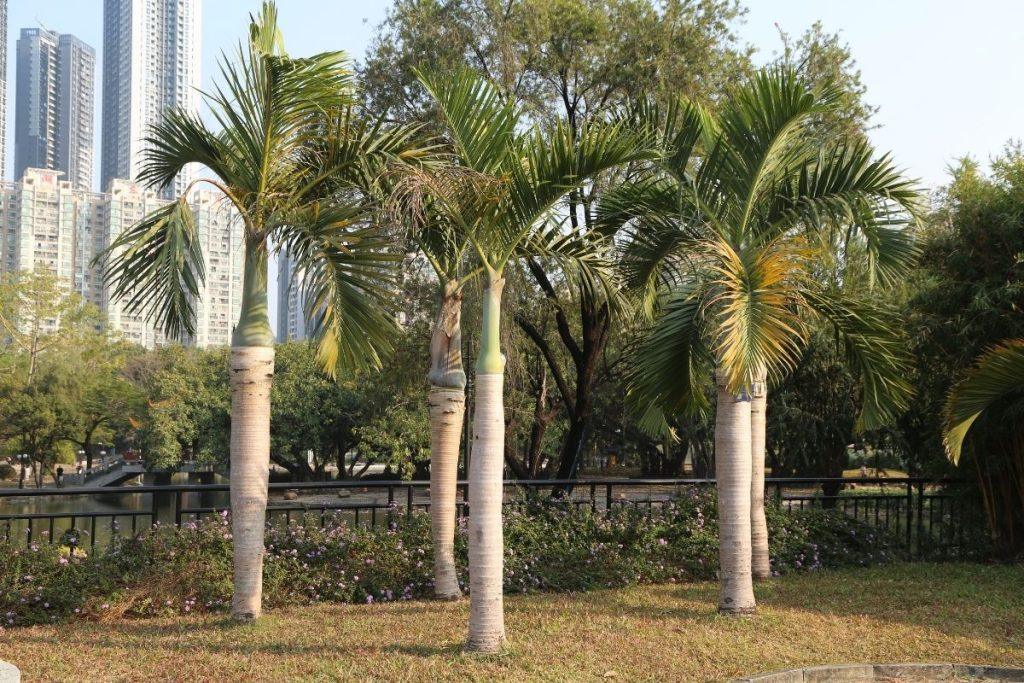
- Above image details – Popular Indian Name: Royal Palm (Roystonea regia). Origin: Native to the Caribbean region, introduced into colonial institutional landscapes and elite avenue planting projects. Known Negative Effects/Issues: Heavy frond drop can become hazardous in public spaces, shallow root systems reduce storm stability, and the species provides relatively low ecological support for native biodiversity.
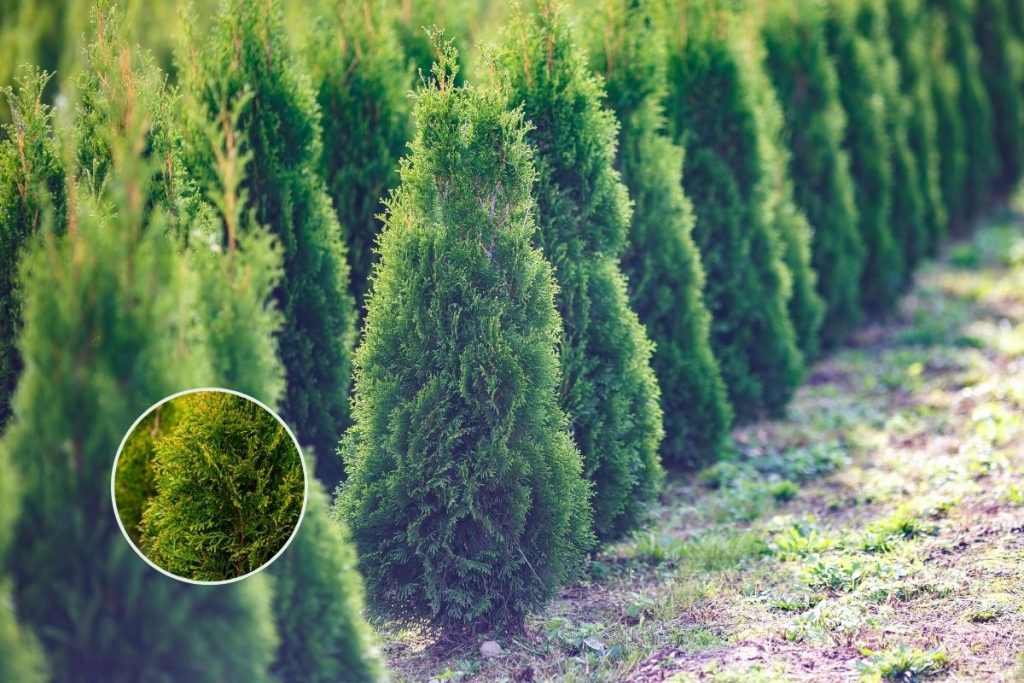
- Above image details – Popular Indian Name: Mediterranean Cypress / Italian Cypress (Cupressus sempervirens). Origin: Native to the Mediterranean region, later introduced into colonial ornamental gardens and hill-station landscapes in India. Known Negative Effects/Issues: High pollen production may trigger allergies, shallow root systems can become unstable during storms, and dense monoculture planting reduces local biodiversity.
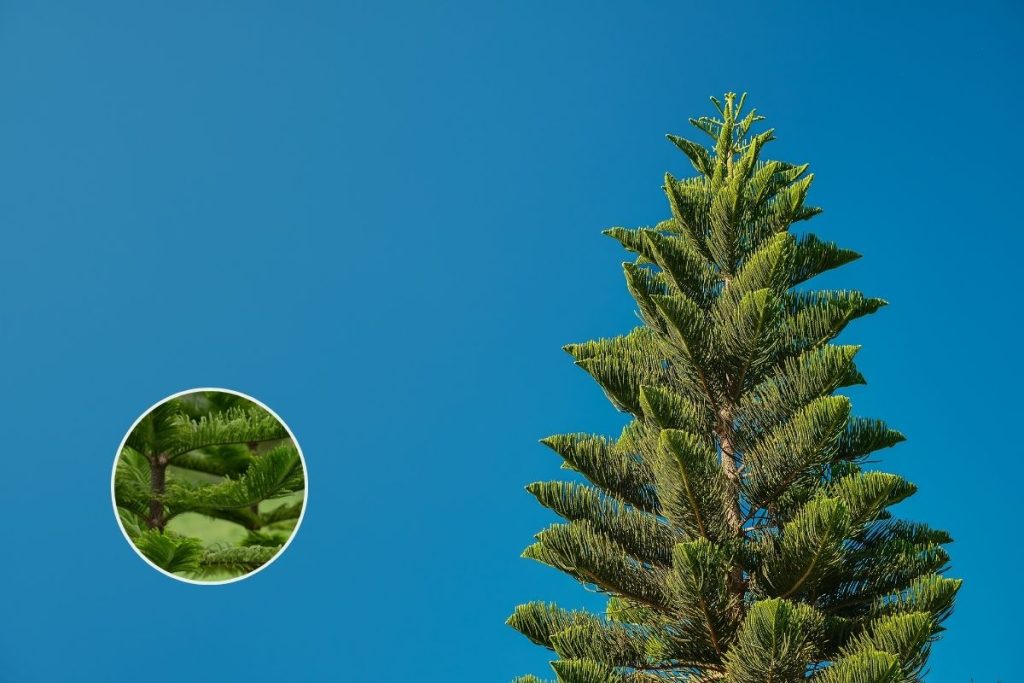
- Above image details – Popular Indian Name: Norfolk Island Pine (Araucaria heterophylla). Origin: Native to Norfolk Island near Australia, introduced into colonial bungalow gardens and institutional campuses in India. Known Negative Effects/Issues: Poor adaptability to crowded urban spaces, brittle branches during cyclones and storms, and limited ecological value for native Indian birds and pollinators.
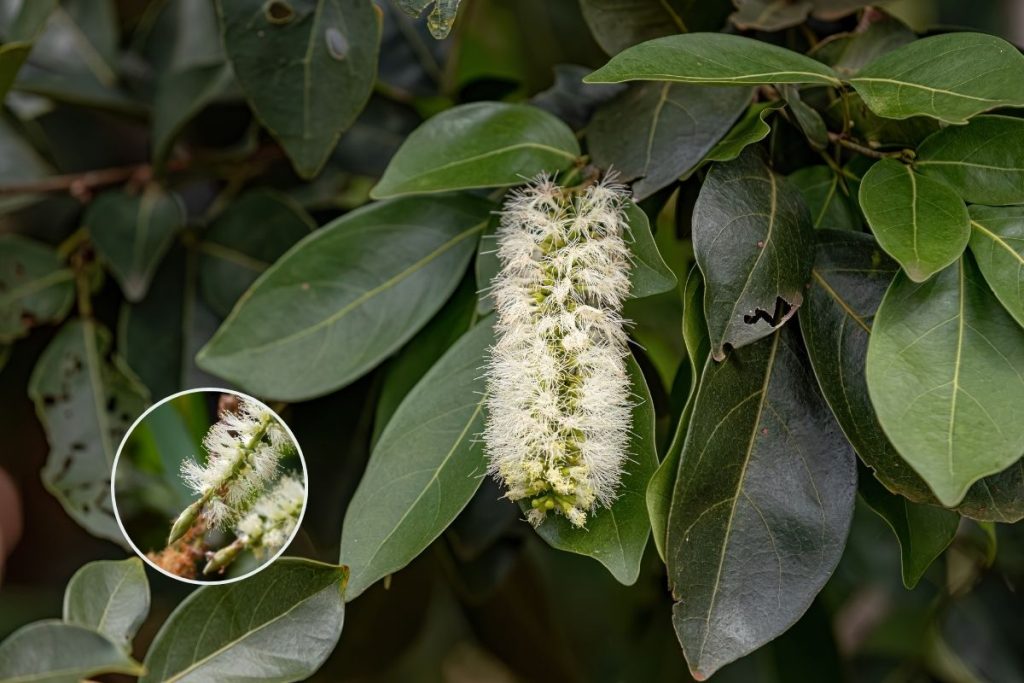
- Above image details – Popular Indian Name: Paperbark Tree / Melaleuca (Melaleuca quinquenervia). Origin: Native to Australia, introduced during colonial swamp-drainage and ornamental plantation projects. Known Negative Effects/Issues: Aggressive invasive behavior in wetland ecosystems, forms dense monocultures that suppress native vegetation, highly flammable growth habit, and excessive water uptake may alter marsh ecology.
- Above image details – Popular Indian Name: Jerusalem Thorn (Parkinsonia aculeata). Origin: Native to the Americas, later introduced into dryland landscaping and colonial roadside plantation systems. Known Negative Effects/Issues: Thorny invasive growth, rapid spread in dry regions, difficult removal due to dense branching, and reduced grazing access in rural ecosystems.
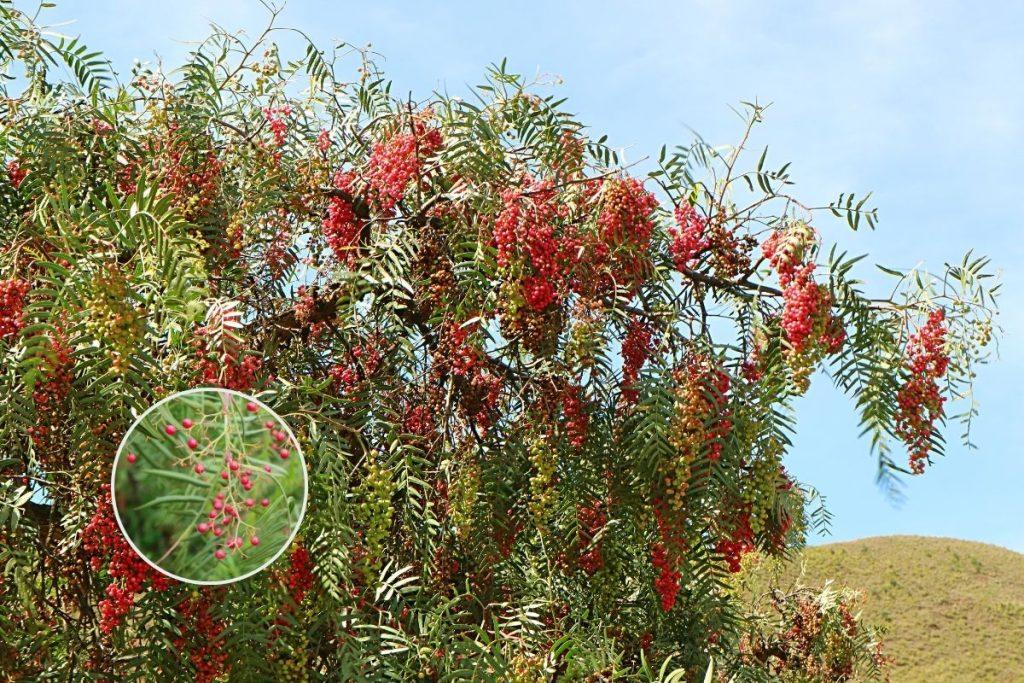
- Above Image Details – Popular Indian Name: Peruvian Pepper Tree (Schinus molle). Origin: Native to South America, introduced into colonial gardens and avenue landscapes for ornamental planting. Known Negative Effects/Issues: Invasive spread in dry climates, fallen berries create litter problems, and pollen as well as aromatic compounds may trigger allergies in sensitive individuals.
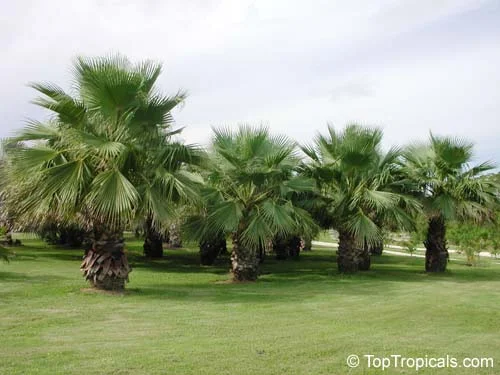
- Above image details – Popular Indian Name: Mexican Fan Palm (Washingtonia robusta). Origin: Native to Mexico, introduced into colonial and modern ornamental boulevard landscaping in India. Known Negative Effects/Issues: Dry fronds create fire hazards, falling leaves require constant maintenance, and tall weak trunks may become hazardous during high winds and cyclones. (Image source: TopTropicals dot com – used for illustrative purposes.)
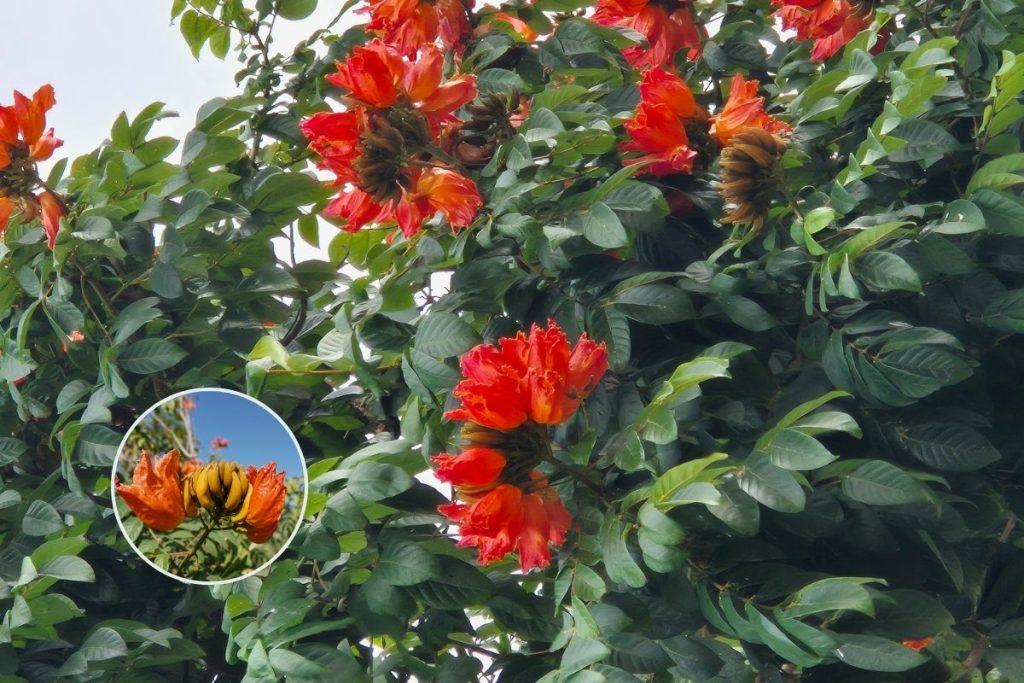
- Above image details – Popular Indian Name: African Tulip Relative (Spathodea nilotica). Origin: Native to tropical Africa, introduced into colonial botanical collections and ornamental landscape plantations. Known Negative Effects/Issues: Brittle branches prone to breakage, aggressive canopy spread suppresses nearby vegetation, and exotic dominance reduces space for native flowering species.
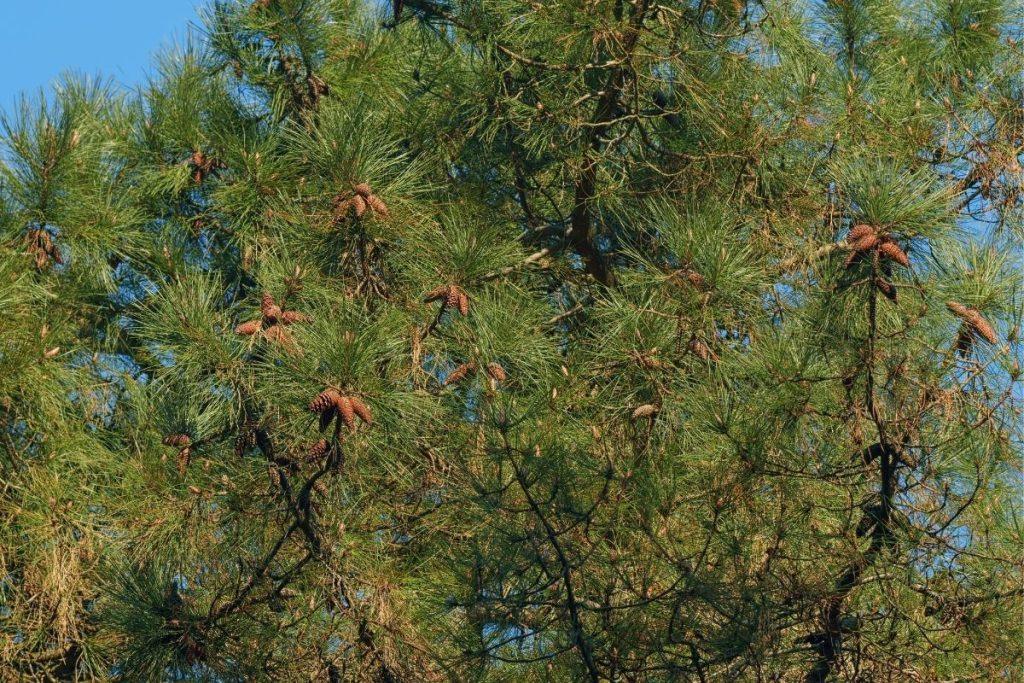
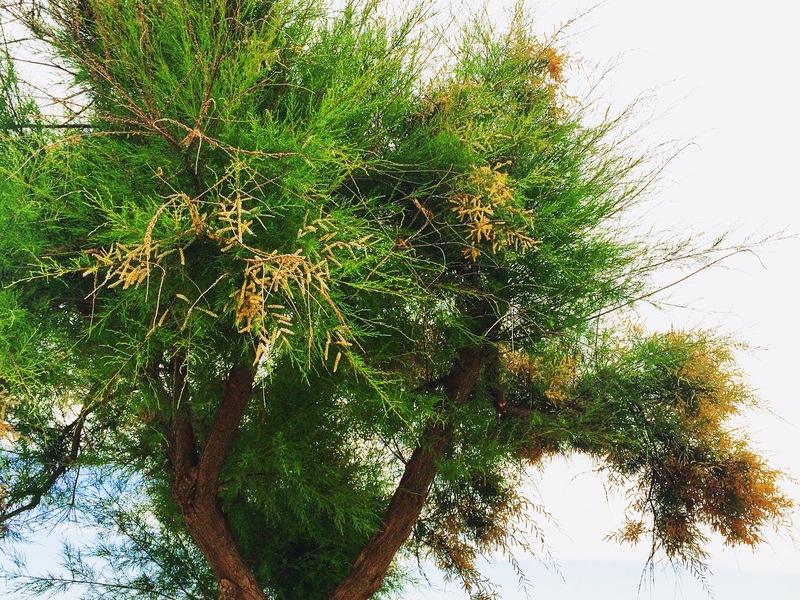
- Above image details – Popular Indian Name: Jhau / Athel Tree (Tamarix aphylla). Origin: Native to arid regions of Africa and the Middle East, later used in colonial dryland forestry and shelterbelt plantations. Known Negative Effects/Issues: High water consumption in dry regions, salt accumulation in soils, invasive tendency near riverbanks, and suppression of nearby native vegetation.
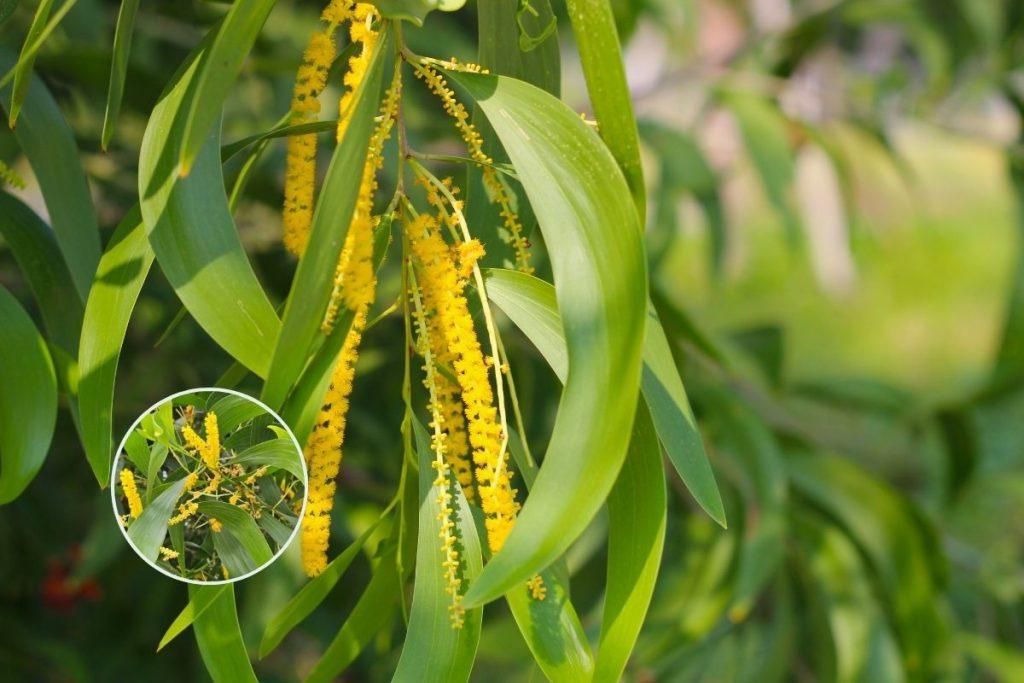
- Above image details – Popular Indian Name: Australian Acacia / Akashmoni (Acacia auriculiformis). Origin: Native to Australia and Papua New Guinea, heavily promoted during colonial and post-colonial plantation forestry projects in India. Known Negative Effects/Issues: Invasive spread into native ecosystems, dense leaf litter suppresses ground vegetation, rapid monoculture growth reduces biodiversity, and roots may compete aggressively for soil moisture.
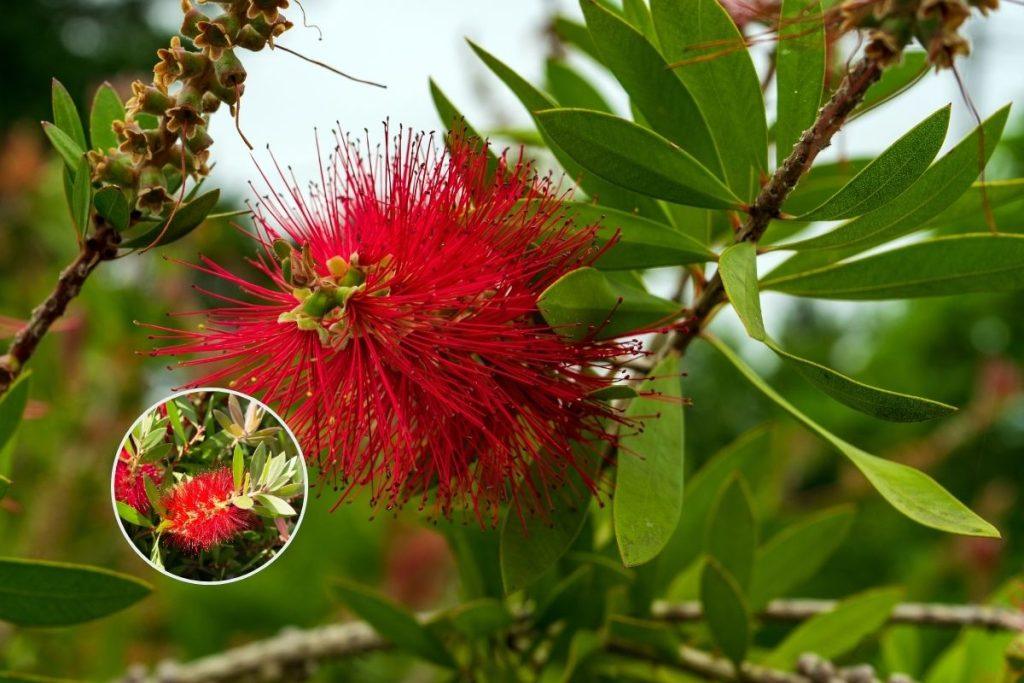
- Above image details – Popular Indian Name: Bottlebrush Tree (Callistemon citrinus). Origin: Native to Australia, introduced into colonial ornamental gardens and roadside landscaping across India. Known Negative Effects/Issues: Dense ornamental planting limits native species diversity, heavy flowering attracts excessive insect concentration near urban areas, and shallow roots may interfere with pavements in compact spaces.
Further Reading:
Why Indian Trees Prefereable? | Indian Trees For Public Places | Colonial Era Trees Dominate Indian…
You may also like to read:
- Colonial Era Trees Dominate Indian Roads And Parks – 75+ Years After Independence (Main Article)
- Why These Indian Trees Are Preferable
- Indian Trees For Public Places
- Reclaiming Landscape in Indian Public Spaces from British Colonialism and Macaulayism
- Criticizing British Colonial Rule For Introducing Foreign Plants In Public Spaces
- The Need To Decolonize Public Landscapes In India
- How Does Continuing Colonial-Era Planting Reflect Coloniality And Ignore Ancient India’s Botanical Knowledge?
- Reviving Ancient Hindu Garden Traditions In Protected Monuments
| We encourage bharatiyas to plant Indian trees on roads, public spaces and their homes. |