
Framework For Decolonized Landscapes – Archaeological Survey of India
The historic monuments sited throughout India were not originally meant to be isolated architectural structures. Instead, they were intended to
Read more
The historic monuments sited throughout India were not originally meant to be isolated architectural structures. Instead, they were intended to
Read moreIn the previous article, we wrote how colonial era trees dominate Indian roads and parks – 75+ years after independence.
Read moreIndia is endowed with rich biodiversity in flora and many great tree options exist for roads, parks and public institutions.
Read more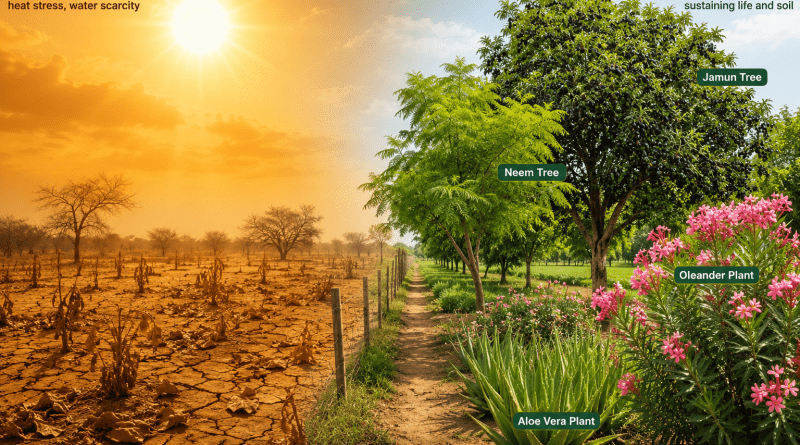
Indian trees are a much superior choice to British colonial era introduced trees and plants. It is just the coloniality
Read more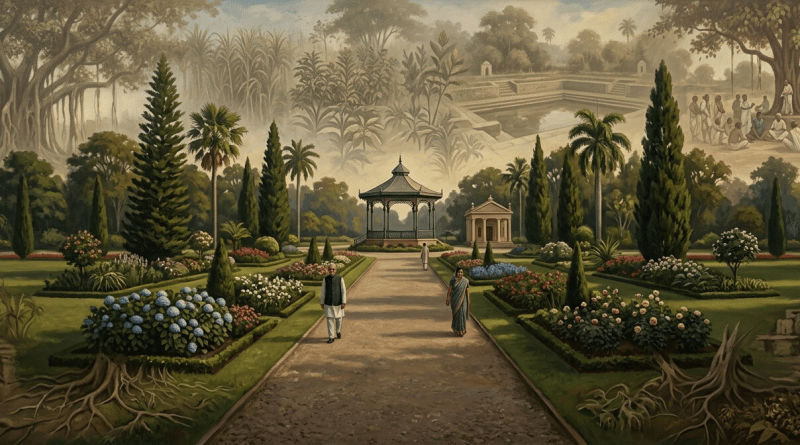
Across Indian cities, the various types of public landscapes, including parks, gardens, and boulevards, often bear a discrete and continuing
Read more
Landscaping is not simply a way to arrange plants and greenery in a specific way. Along with its social structures
Read moreIn early India, parks and public landscapes were always intended to offer much more than merely shade or visual beauty.
Read moreDuring the British rule in India, colonial administrators introduced a wide array of foreign plants and trees. To date, most
Read more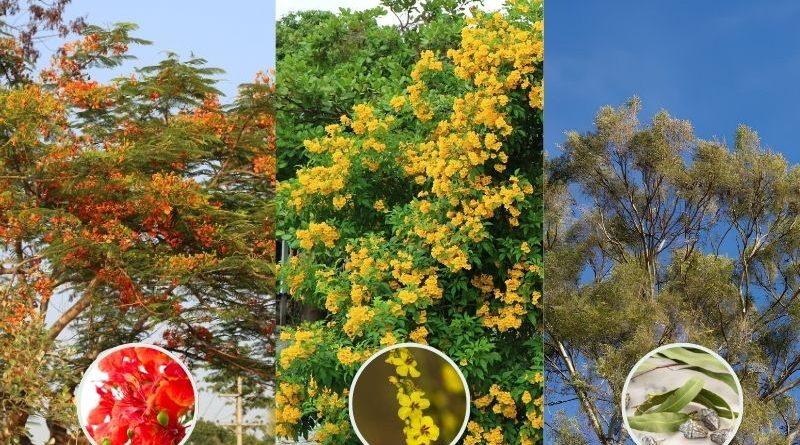
The public landscapes in India, such as parks, roadsides, and urban avenues, are not simply functional and aesthetic spaces; they
Read more
The British colonial rulers left an indelible legacy of changes in Indian life that continue to impact modern India even
Read more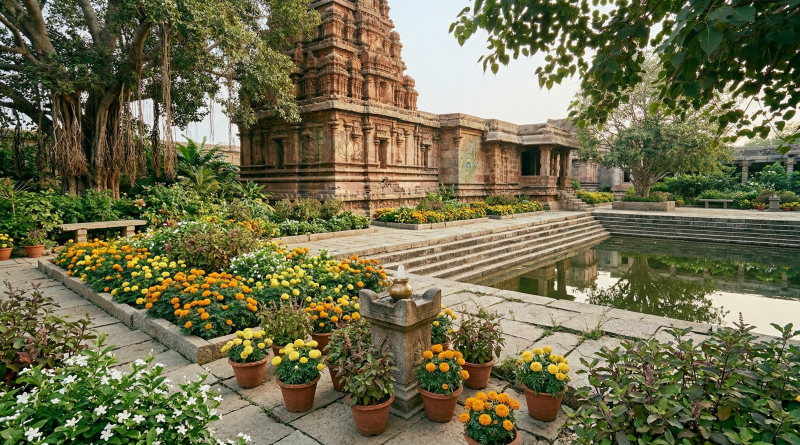
The cultural heritage of India comprises architectural monuments and marvels that reflect the ecological landscapes fundamental to these sites. Ancient
Read more
In order to maintain their power over India, the British Colonialists projected themselves as superior and Indians as inferior. They
Read more
In order to maintain their power over India, the British colonialists projected themselves as superior and Indians as inferior. They
Read moreYou cannot copy content of this page